Introduction
Building a quality wardrobe often feels like it requires an unlimited budget, yet many genuinely well-dressed people achieve great style through smart shopping strategies rather than simply spending more money than everyone else. Understanding how to identify quality construction, when to invest versus save, and where to find genuine value transforms budget-conscious shopping from a limitation into a skill that produces a wardrobe you’ll actually love wearing for years. This guide walks through identifying quality construction and fabric, strategic timing for purchases, secondhand and thrift shopping approaches, sales strategy without overspending, and building a wardrobe that balances investment pieces with budget-friendly basics. The goal is helping you shop confidently and strategically, building genuine quality into your wardrobe without requiring unlimited spending.
Smart shopping isn’t about always buying the cheapest option available—it’s about understanding genuine value, recognizing quality construction, and strategically allocating your budget toward pieces that will actually serve you well over time.
Identifying Quality Construction Regardless of Price
Even at lower price points, certain construction details indicate better quality than others, and learning to recognize these signals helps you make smarter choices within any budget range. Check seams for even, consistent stitching without loose threads or puckering, which indicates careful construction versus rushed, lower-quality manufacturing processes.
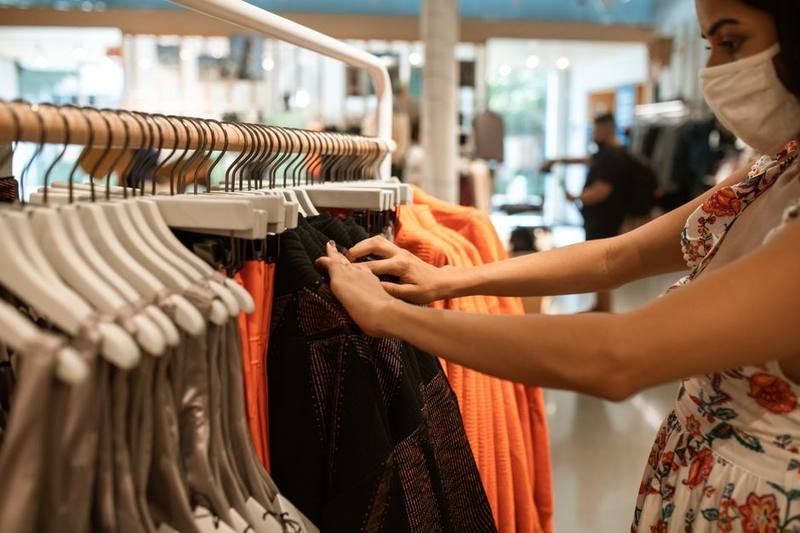
Fabric weight and hand-feel, examined and touched in person when possible, reveal quality that price alone doesn’t always accurately indicate, since some higher-priced items use surprisingly thin, lower-quality fabric while some budget options use surprisingly substantial, well-made materials despite their accessible price point. Buttons, zippers, and other hardware should feel sturdy and function smoothly, since cheap hardware often fails considerably before the actual garment fabric itself wears out.
Strategic Timing for Purchases
Shopping at the end of a season, when retailers discount current-season items to clear inventory for upcoming collections, provides significant savings on items you can store until the relevant season returns the following year. This requires some advance planning and available storage space, but can yield substantial discounts on higher-quality pieces you might not otherwise afford at full original retail price.
Major sale events throughout the year offer additional opportunities for strategic purchasing, though maintaining discipline around only buying items that genuinely fit your existing wardrobe plan prevents the common trap of accumulating discounted items purely because they were on sale rather than because they actually serve a genuine need in your wardrobe.
Secondhand and Thrift Shopping Strategies
Secondhand shopping, whether through physical thrift stores, consignment shops, or online resale platforms, provides access to quality, sometimes designer pieces at meaningfully reduced prices compared to original retail cost. This approach requires more patience and willingness to search through inconsistent inventory, but can yield genuinely excellent finds for shoppers willing to invest the additional time required.
Focus secondhand searching on items where quality construction is particularly valuable and expensive when purchased new—structured blazers, quality denim, leather goods—where the potential savings are most significant relative to typical new retail pricing for comparable quality items.
Understanding Cost-Per-Wear Value
Rather than evaluating purchases purely on upfront price, considering cost-per-wear—dividing the purchase price by how many times you’ll realistically wear the item—provides a more accurate picture of genuine value. A higher-priced item worn weekly for years may represent better actual value than a cheaper item worn only a handful of times before falling apart or falling out of favor.
This framework particularly favors investing more in versatile basics you’ll wear frequently across many different outfit combinations, while justifying more budget-conscious choices for trend pieces or items you’re less certain about long-term wearing frequency and continued interest.
Building a Balanced Investment Strategy
A balanced approach to wardrobe building typically invests more significantly in foundational pieces—quality outerwear, versatile shoes, well-fitting basics—while allowing more budget-conscious choices for trendier items or accent pieces where quality matters somewhat less relative to their likely shorter period of relevance and wear. This strategic allocation maximizes overall wardrobe value within any given total budget.
Identifying which specific categories matter most for your particular lifestyle and climate helps you allocate investment appropriately—someone who wears outerwear daily in a cold climate should prioritize that category differently than someone in a consistently warm climate with minimal genuine outerwear needs.
Avoiding Common Budget Shopping Pitfalls
Buying items purely because they’re discounted, without genuine consideration of whether they fit your existing wardrobe plan, often leads to accumulated unused items that represented poor value despite their attractive discounted price. True savings only occur when you’re purchasing something you would have genuinely bought anyway, not simply because a compelling discount created artificial urgency.
Similarly, buying the cheapest possible version of frequently worn items, if that cheap version wears out quickly and requires repeated replacement, often costs more over time than a single higher-quality purchase that lasts considerably longer despite the higher upfront cost.
Maintaining Purchases to Maximize Value
Even budget-conscious purchases provide better value when properly cared for, extending their functional lifespan through appropriate washing, storage, and minor repairs as needed over time. This maintenance effort, requiring relatively little additional time or money, meaningfully improves the actual cost-per-wear value of any purchase regardless of its original price point.
Learning basic clothing repair skills, like sewing a loose button or repairing a small seam, extends garment lifespan without requiring professional tailoring services for minor issues that don’t genuinely warrant that level of expense and effort for simple fixes.
Setting a Realistic Wardrobe Budget
Establishing a realistic overall wardrobe budget, whether monthly or seasonal, helps prevent both overspending and the frustration of feeling unable to make any purchases at all due to lack of planning. This budget should account for your actual genuine needs, replacement of worn items, and some reasonable allowance for pieces that simply appeal to your evolving personal style and interests.
Tracking actual spending against this budget periodically helps you identify whether your spending aligns with your intentions, revealing patterns that might warrant adjustment in either your budget amount or your specific spending habits and priorities within that budget.
Negotiating and Finding Additional Discounts
Many retailers, particularly smaller boutiques or during clearance periods, are more open to price negotiation or additional discounts than shoppers typically assume, especially for floor samples, slightly damaged items, or when purchasing multiple pieces simultaneously. Simply asking politely about any available additional discounts costs nothing and occasionally yields genuine savings beyond posted prices.
Loyalty programs and email newsletter signups, while sometimes feeling like marketing intrusions, frequently provide genuine discount codes and early access to sales that can meaningfully reduce costs for retailers you shop with regularly, making this modest inconvenience worthwhile for frequently visited stores.
Renting and Borrowing for Occasional Needs
For infrequently needed formal or special occasion pieces, clothing rental services provide access to higher-quality items than you might otherwise justify purchasing for a single or rare use, at a fraction of the outright purchase cost. This approach works particularly well for occasion-specific formal wear that would otherwise sit unused in your closet for months or years between actual wearing occasions.
Borrowing from friends or family for similarly infrequent needs, when a good fit and style match exists, provides another cost-free alternative worth considering before defaulting to purchasing something new for a single specific event or occasion that won’t recur regularly in your actual life and schedule.
Recognizing When to Splurge on a Special Piece
Occasionally, a significant investment in one exceptional piece—perhaps a quality coat or a special handbag—provides genuine long-term satisfaction and daily use that justifies its higher cost, even within an otherwise budget-conscious overall wardrobe strategy. Recognizing which specific pieces genuinely warrant this kind of exception, based on projected frequency of use and personal significance, helps you make these splurges intentionally rather than impulsively.
Saving specifically toward a planned splurge purchase, rather than making a significant impulse decision, often produces more genuine satisfaction with the eventual purchase, since the anticipation and deliberate planning process itself adds meaning beyond just the item’s practical function.
Conclusion
Building a quality wardrobe on a reasonable budget requires strategic thinking rather than simply spending less across the board, focusing on genuine construction quality, smart timing, and thoughtful allocation between investment pieces and budget-friendly basics. Understanding cost-per-wear value, exploring secondhand options strategically, and maintaining purchases properly all contribute to maximizing genuine value from every dollar spent. With these strategies applied consistently, a genuinely stylish, quality wardrobe remains achievable without requiring unlimited spending.
FAQs
1. Is it always better to buy expensive, quality items?
Not necessarily. Consider cost-per-wear and genuine need—some trend items or infrequently worn pieces make more sense as budget-conscious purchases rather than significant investments.
2. How can I tell if a budget item is actually good quality?
Check seams, fabric weight, and hardware quality in person when possible. These details often reveal quality regardless of the specific price point of the item.
3. Is thrift shopping worth the time investment?
Often yes, particularly for items where quality construction matters significantly and is expensive when purchased new, like structured blazers or quality denim.
4. Should I buy items just because they’re on sale?
Only if they genuinely fit your existing wardrobe plan and needs. Buying purely because of a discount often leads to unused items regardless of the attractive original savings.
5. How much should I budget for clothing purchases?
This varies by individual circumstances and priorities, though establishing a realistic, consistent budget, whether monthly or seasonal, helps prevent both overspending and purchase paralysis.