Introduction
The right accessories can transform a simple, basic outfit into something that looks genuinely intentional and polished, while the wrong choices, or none at all, can leave even quality clothing looking unfinished or plain. Yet accessorizing well is a skill many people never develop, either overdoing it with too many competing elements or underutilizing accessories entirely out of uncertainty about how to incorporate them thoughtfully. This guide walks through jewelry basics and layering principles, choosing bags that work for your lifestyle, belt styling techniques, scarves and their versatility, and building an accessory collection that genuinely enhances your existing wardrobe. The goal is helping you use accessories confidently and thoughtfully, elevating your outfits without overwhelming them.
Great accessorizing isn’t about wearing as much as possible—it’s about choosing pieces that genuinely complement your outfit and personal style, adding polish without creating visual clutter or competing elements.
Jewelry Basics and Layering Principles
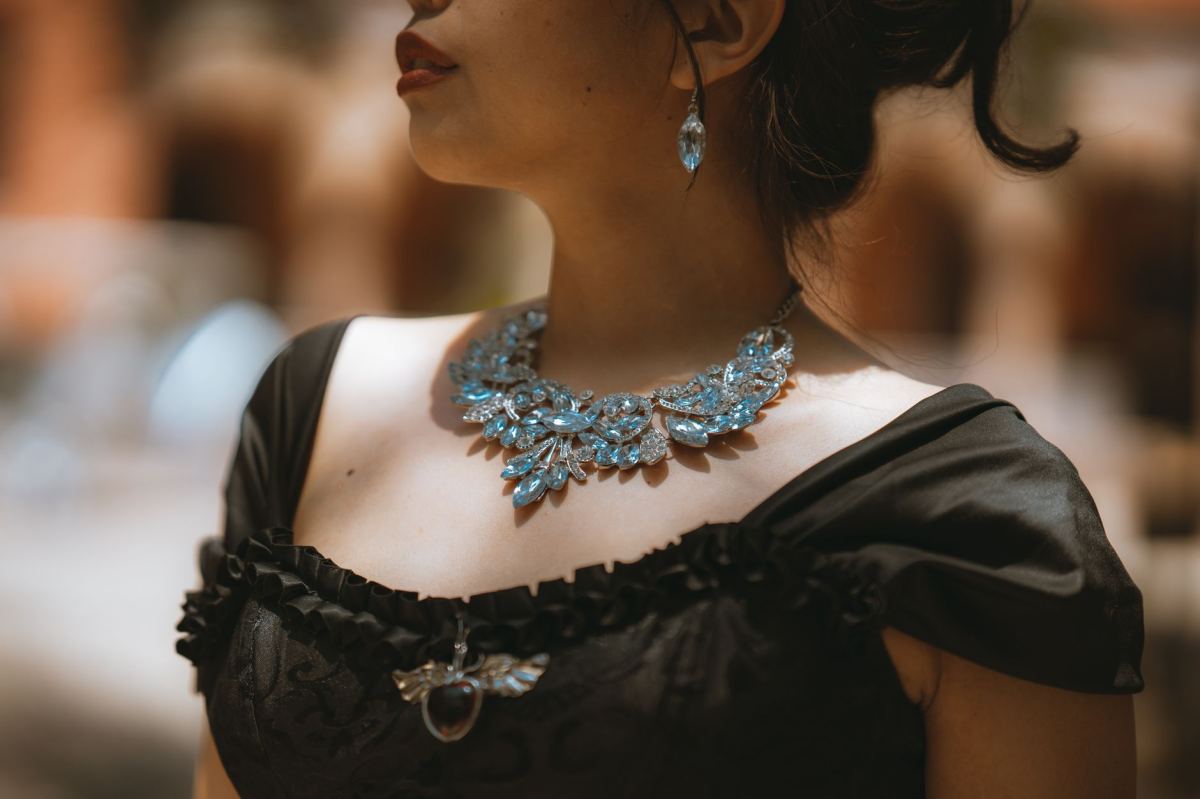
Understanding metal undertones—whether gold, silver, or rose gold generally suits your skin tone best—provides a helpful starting point for building a cohesive jewelry collection, though mixing metals has become an accepted, even fashionable styling choice when done intentionally. Statement pieces work best as a singular focal point, generally paired with simpler, more understated pieces elsewhere rather than multiple competing statement elements simultaneously.
Necklace layering, combining multiple chains or pendants of varying lengths, creates visual interest when done thoughtfully, generally working best with pieces of noticeably different lengths and styles rather than similar pieces that visually compete rather than complement each other. Building a foundation of versatile, simpler pieces that work across many outfits, supplemented with a few statement pieces for specific occasions, provides both everyday versatility and special-occasion impact.
Choosing Bags for Function and Style
A bag serves both functional and style purposes, and finding pieces that successfully balance both considerations matters more than choosing based on style alone without regard for genuine daily practicality. Consider your actual daily needs—what you carry regularly, how you commute, whether you need hands-free options—before prioritizing style considerations that might not suit your genuine practical requirements.
Building a small collection of versatile bags in different sizes and formalities—a structured bag for work, a casual crossbody for everyday errands, perhaps a clutch for special occasions—provides appropriate options across different situations without requiring an extensive, impractical collection of highly specific single-purpose bags.
Belt Styling for Structure and Definition
Belts serve both functional and aesthetic purposes, creating waist definition that can transform the silhouette of looser garments like dresses, tunics, or oversized tops that might otherwise appear shapeless without this added structural element. A well-chosen belt in a complementary or contrasting color can also serve as an intentional style statement rather than a purely functional afterthought.
Belt width and style should generally correspond to the garment it’s paired with—thin belts work well with more delicate, fitted pieces, while wider statement belts can handle bulkier or looser garments that need more substantial structure to achieve visual balance and definition.
Scarves: An Underutilized Versatile Accessory
Scarves offer remarkable versatility, functioning as neck accessories, hair accessories, belt substitutes, or even bag decorations depending on how they’re styled and tied. A single quality scarf can genuinely serve multiple different styling purposes, making it a versatile addition to a thoughtfully built accessory collection despite occupying minimal storage space.
Learning a few basic scarf-tying techniques opens considerable styling versatility from a single piece, transforming the same scarf’s appearance dramatically depending on the specific tying method used for a given outfit and occasion. Lightweight scarves work well for warmer weather styling purposes, while heavier, warmer options serve both functional and stylistic purposes during colder months.
Watches: Function Meets Personal Style
A quality watch serves as both a practical timepiece and a meaningful style statement, often becoming a signature accessory piece that people notice and remember about your personal style over time. Choosing a watch that fits your general aesthetic—minimalist, classic, or more statement-oriented—ensures it integrates well with your broader wardrobe rather than feeling disconnected from your other style choices.
Watch band material and color affect overall versatility, with leather bands generally suiting more classic or professional aesthetics, while metal bands often work across both casual and more formal contexts depending on the specific watch face design and overall styling.
Hats: Functional Style for Every Season
Hats serve practical purposes—sun protection, warmth, or simply managing a bad hair day—while also providing genuine style opportunities that many people underutilize in their regular wardrobe rotation. A well-chosen hat can become a signature piece, adding personality and visual interest to otherwise simple outfits.
Consider face shape when selecting hat styles, since certain brim widths and crown heights genuinely flatter different face shapes more than others, similar to how clothing silhouettes flatter different body shapes differently based on individual proportions and features.
Building a Cohesive Accessory Collection
Rather than accumulating accessories randomly based on individual appeal, building your collection with your existing wardrobe’s color palette and style in mind ensures new pieces genuinely integrate with what you already own rather than becoming orphaned items that don’t coordinate with anything else. This intentional approach, similar to capsule wardrobe principles applied to accessories specifically, maximizes the versatility of each individual piece.
Investing in a few higher-quality statement pieces, rather than numerous cheaper trend-following accessories, often provides better long-term value and more consistent styling opportunities than a large collection of lower-quality items that may not hold up well or age gracefully over time.
Avoiding Common Accessorizing Mistakes
Over-accessorizing, wearing too many competing statement pieces simultaneously, is among the most common styling mistakes, creating visual clutter rather than the polished, intentional look accessories are meant to achieve. A general guideline of choosing one focal accessory point per outfit, with other elements playing a more supporting, understated role, helps avoid this common pitfall.
Mismatched metal tones or clashing accessory styles, while less strictly rule-bound than in past fashion eras, can still create an unintentionally chaotic appearance when combined without any coordinating logic or consideration for how the overall look reads together.
Accessorizing for Different Occasions
Work-appropriate accessorizing generally favors more understated, professional pieces, while evening and special occasions provide more opportunity for bolder statement choices that might feel excessive in a professional daytime context. Understanding this distinction helps you build a versatile accessory collection that appropriately spans different contexts rather than a single approach applied uniformly regardless of setting.
Having a few reliable “elevate any outfit” accessory options ready—perhaps a great pair of earrings and a quality bag—provides quick, easy options for transforming a simple daytime outfit into something appropriate for an unexpected evening plan without requiring a complete wardrobe change.
Caring for and Maintaining Accessories
Jewelry benefits from proper storage that prevents tangling and tarnishing, whether through a dedicated jewelry box with separate compartments or simple individual pouches for pieces stored together. Cleaning jewelry periodically according to its specific material—gentle soap and water for most metals, specialized cloths for others—maintains its appearance and extends its usable lifespan considerably.
Leather bags and belts benefit from occasional conditioning to prevent drying and cracking, particularly in dry climates or with frequent use that gradually depletes the leather’s natural oils over time. This modest ongoing maintenance effort meaningfully extends the lifespan of leather accessories, which often represent a more significant investment than other accessory categories.
Shopping for Accessories on a Budget
Quality accessories don’t necessarily require significant spending, since vintage and secondhand sources often offer well-made pieces at meaningfully reduced prices compared to buying everything new at full retail cost. Costume jewelry has also improved considerably in quality and design in recent years, offering stylish, versatile options without the expense of fine jewelry for pieces you might want to update more frequently as trends shift.
Prioritizing spending on accessories worn most frequently, like an everyday bag or go-to jewelry pieces, while being more budget-conscious about trend-driven or occasion-specific items, allocates your accessory budget toward the pieces that genuinely provide the most repeated daily value and styling impact.
Conclusion
Thoughtful accessorizing genuinely transforms outfits, adding polish and personal style expression that clothing alone often can’t fully achieve on its own. Understanding jewelry layering principles, choosing functional and stylish bags, using belts and scarves for both structure and versatility, and building a cohesive collection aligned with your existing wardrobe all contribute to more confident, intentional styling. With practice and attention to balance, accessorizing becomes a genuinely enjoyable, creative extension of your personal style rather than an afterthought or a source of uncertainty.
FAQs
1. Is it acceptable to mix gold and silver jewelry?
Yes, mixed metals have become widely accepted and even fashionable when done intentionally, rather than being viewed as a styling mistake as in past eras.
2. How many bags does someone actually need?
A small collection of three to five versatile bags covering different formality levels and daily needs typically suffices for most people’s genuine lifestyle requirements.
3. What’s the biggest accessorizing mistake to avoid?
Over-accessorizing with too many competing statement pieces simultaneously, which creates visual clutter rather than the intended polished appearance.
4. Should belt color always match shoes?
Not strictly necessary anymore, though coordinating leather tones (matching browns or blacks, for instance) still creates a cohesive, put-together appearance for many outfits.
5. Are statement accessories worth investing in?
Yes, generally. A few quality statement pieces provide more versatile styling impact and longevity than numerous cheaper, trend-following accessories.