Introduction
A disorganized closet makes getting dressed considerably more frustrating than necessary, hiding forgotten pieces behind others while good clothes deteriorate from improper storage and care over time. Beyond simple tidiness, proper wardrobe organization and garment care genuinely extends the lifespan of your clothes, protects your investment in quality pieces, and makes daily outfit selection considerably easier and more efficient. This guide walks through closet organization systems, proper storage for different garment types, seasonal rotation strategies, fabric-specific care considerations, and maintenance habits that keep clothes looking their best for years. The goal is helping you build a wardrobe system that’s both genuinely functional day-to-day and protective of your clothing investment over the long term.
Good wardrobe organization isn’t just about appearances—it genuinely protects your clothing investment while making daily dressing considerably faster and less frustrating.
Closet Organization Systems That Work
Organizing by category—all tops together, all bottoms together, dresses separately—creates intuitive organization that makes finding specific items considerably faster than a randomly arranged closet where similar items are scattered throughout. Within categories, further organizing by color creates visual organization that also helps with outfit coordination and color palette awareness during actual dressing.
For those with more elaborate systems, organizing by occasion (work clothes, casual wear, special occasion pieces) or by season can provide additional useful structure, particularly for larger wardrobes where category-only organization still leaves considerable searching required. Choose whatever system genuinely matches how you actually think about and select your clothes, rather than adopting an elaborate system that doesn’t match your natural approach to dressing.
Proper Hanging vs Folding by Garment Type
Structured items like blazers, button-down shirts, and dresses generally hold their shape better when hung rather than folded, preventing the creasing that folding can cause in structured fabrics and cuts. Knits and heavier sweaters, however, often stretch out of shape when hung for extended periods, making folding the better storage method for these specific garment types.
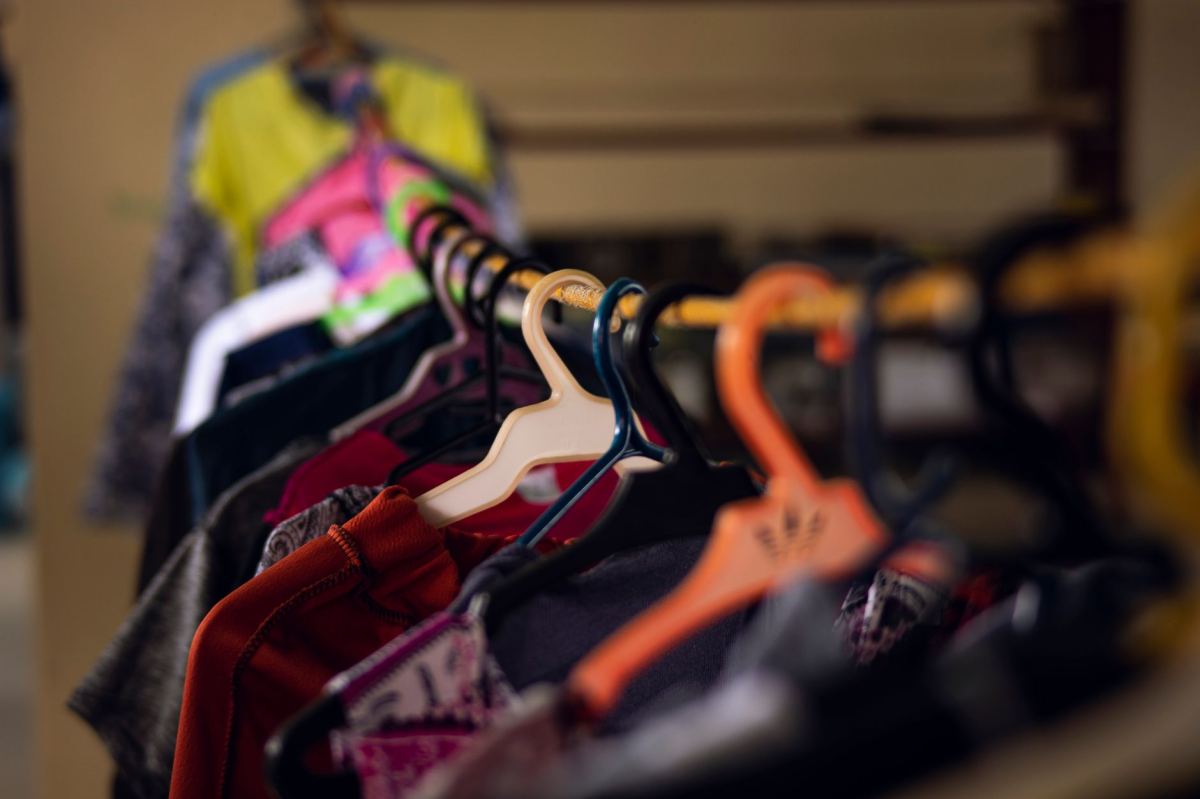
Quality hangers matter more than many people initially realize—wire hangers can distort shoulder shapes over time, while wooden or padded hangers provide better support that maintains garment shape considerably longer. Investing in a matching set of quality hangers, while a relatively small expense, meaningfully protects your clothing investment and creates a more visually organized closet overall.
Seasonal Rotation Strategies
Rotating seasonal items in and out of your primary closet space, storing off-season clothes elsewhere temporarily, keeps your everyday closet manageable and focused on currently relevant pieces rather than cluttered with items you won’t wear for months. This rotation also provides a natural opportunity to reassess pieces, deciding whether they’re still worth keeping when you handle them again at the season’s start.
Proper storage for off-season items, using breathable garment bags rather than sealed plastic that can trap moisture, protects stored clothes from must, mildew, and pest damage during their months of storage between wearing seasons. Cedar blocks or lavender sachets provide natural pest deterrent without the strong chemical smell of traditional mothballs.
Fabric-Specific Care Considerations
Different fabrics require genuinely different care approaches, and understanding these differences prevents the premature wear and damage that generic, one-size-fits-all care can cause. Delicate fabrics like silk and fine wool generally benefit from hand washing or professional cleaning rather than standard machine washing, which can damage fibers and cause shrinkage or color loss.
Cotton and linen generally tolerate machine washing well but benefit from appropriate water temperature and gentle cycles to minimize wear over repeated washing. Reading and following care labels, rather than assuming all clothes can be washed identically, genuinely extends garment lifespan and maintains appearance considerably longer than uniform, generic care approaches.
Stain Treatment and Prevention
Addressing stains promptly, before they set into fabric fibers, dramatically improves your chances of successful removal compared to waiting and allowing a stain to fully set and become considerably more difficult to treat. Different stain types respond to different treatment approaches—protein-based stains like blood respond to cold water, while oil-based stains often need a degreasing approach before regular washing.
Keeping a basic stain treatment kit accessible, rather than needing to search for appropriate products after a stain has already occurred and begun setting, supports faster response times that meaningfully improve treatment success rates for most common household stains and spills.
Storing Shoes and Accessories Properly
Shoes generally benefit from proper support, whether through shoe trees for structured shoes or simply avoiding tight, cramped storage that can distort shape over time. Original boxes work well for occasional-use shoes, while frequently worn shoes benefit from more accessible storage that doesn’t require digging through boxes each time.
Jewelry organizers prevent tangling and damage that loose storage commonly causes, while scarves and belts benefit from dedicated organizational solutions like hooks or specific hangers designed for these accessory types, rather than being crammed into drawers where they become wrinkled or tangled.
Decluttering as Part of Ongoing Organization
Periodic decluttering, removing items that no longer fit, suit your current style, or that you simply haven’t worn in over a year, keeps your organized system genuinely functional rather than gradually becoming cluttered again with items that don’t earn their closet space. This ongoing maintenance prevents the accumulation that eventually undermines even a well-designed initial organizational system.
Consider donating or consigning items in good condition that you’re removing, providing genuine value to others while also motivating yourself to be more selective about future purchases, knowing that items not genuinely loved and worn will eventually need to be released from your collection.
Protecting Investment Pieces Specifically
Higher-value or special occasion pieces deserve extra care consideration, including proper storage in breathable garment bags, occasional professional cleaning even without visible stains, and careful handling that prevents the wear and damage that everyday casual clothes might reasonably tolerate. These pieces represent meaningful investment, justifying the additional care effort required to maintain their condition and value over years of occasional wear.
Documenting care instructions for particularly special or expensive pieces, especially if the original care label has faded or been removed over time, ensures you continue treating these valuable items appropriately even years after original purchase when specific care details might otherwise be forgotten.
Small Space Wardrobe Solutions
Limited closet space requires particularly thoughtful organization, often benefiting from vertical storage solutions, under-bed storage for off-season items, and slim, space-efficient hangers that allow more items in the same physical closet width. Double-hanging rods, adding a second rod beneath existing ones for shorter items like shirts and folded pants, can effectively double usable hanging space in a limited closet.
For genuinely small spaces, being more selective about what earns closet space becomes especially important, making capsule wardrobe principles discussed elsewhere particularly valuable for households working with limited storage capacity and needing every organizational advantage available.
Caring for Delicate and Special Pieces
Delicate fabrics like silk, lace, and fine knits deserve extra caution during both storage and everyday handling, since these materials snag, stretch, or tear more easily than sturdier everyday fabrics designed for more frequent, casual wear and handling. Storing delicate pieces separately, away from items with rough textures, zippers, or hardware that could catch and damage more fragile fabrics, prevents this common and frustrating type of accidental damage.
Special occasion pieces, worn infrequently but often at significant expense, particularly benefit from professional cleaning even without visible staining, since accumulated body oils and invisible residue can degrade fabric over long storage periods between wears if left untreated for extended periods.
Building Habits That Sustain Organization
The most beautifully organized closet gradually reverts to clutter without consistent daily habits supporting it, making the habit of returning items to their designated spot immediately after wear more important long-term than the initial organizational setup itself. A quick end-of-day habit of hanging up worn items rather than draping them over a chair prevents the gradual pile-up that eventually requires a much larger reorganization effort.
Building this habit takes conscious effort initially but becomes genuinely automatic within a few weeks of consistent practice, ultimately saving considerably more time and frustration than periodically facing an overwhelming, disorganized closet that requires a lengthy dedicated reorganization session to address.
Conclusion
Proper wardrobe organization and garment care genuinely extends the lifespan of your clothing investment while making daily dressing considerably more efficient and enjoyable. Choosing an organizational system matched to how you actually think about your clothes, understanding proper storage for different garment types, and following fabric-appropriate care practices all contribute to a closet that serves you well for years. Combined with periodic decluttering and special attention to investment pieces, these practices ensure your wardrobe remains both genuinely functional and well-maintained over the long term.
FAQs
1. Should all clothes be hung rather than folded?
No, knits and heavier sweaters generally do better folded to prevent stretching, while structured items like blazers and dresses hold shape better when hung.
2. How often should I declutter my closet?
A seasonal review, roughly four times yearly, helps maintain organization and catch items that no longer earn their place before clutter accumulates significantly.
3. What’s the best way to store off-season clothing?
Breathable garment bags or containers, rather than sealed plastic, protect against moisture damage while still keeping items clean and organized during their storage period.
4. Is it worth investing in quality hangers?
Yes, generally. Quality hangers better maintain garment shape over time compared to flimsy wire alternatives, protecting your clothing investment meaningfully.
5. How quickly should I treat a stain?
As soon as possible. Fresh stains are considerably easier to remove than ones that have had time to fully set into fabric fibers.